Exposure coaching · Anxiety & OCD
Knowing what to do isn't the hard part.
Doing it is.
Helping teens and adults with anxiety and OCD actually do the things fear has been telling them to avoid, with real exposure practice in every session and accountability through the week.
- Virtual sessions
- Ages 12+
- Based in Maine
- Live exposure practice

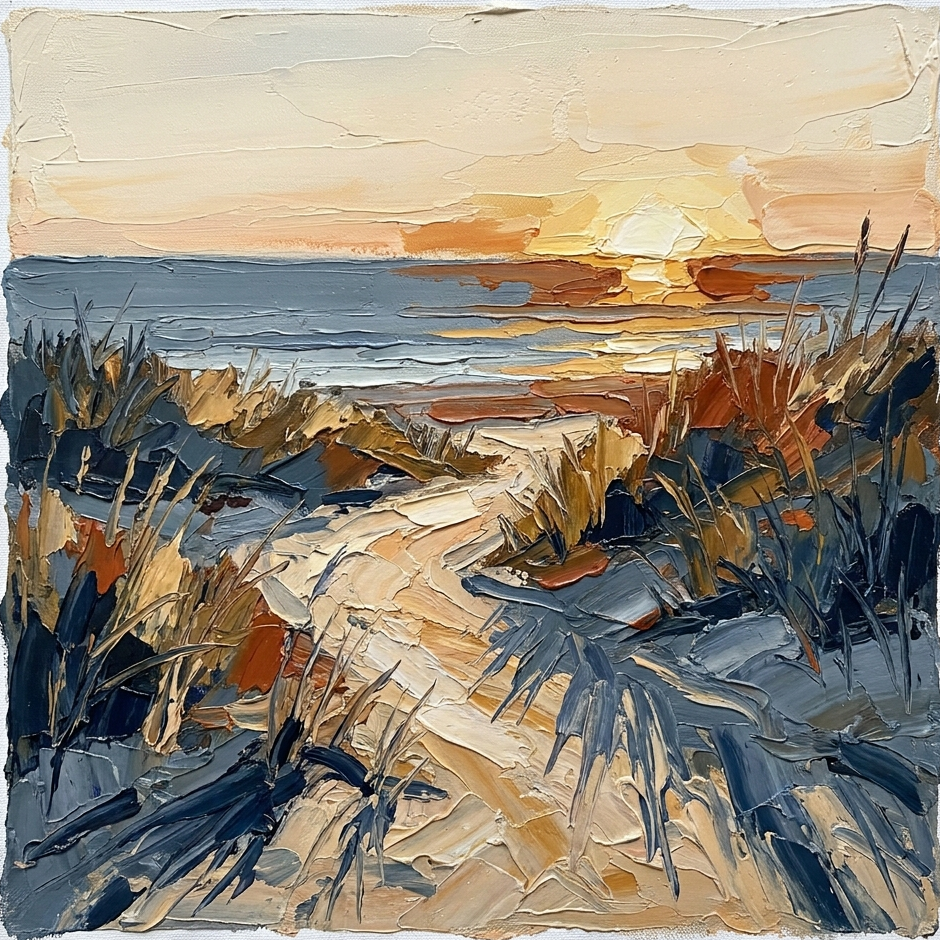
Every sunrise is another chance to practice.
What is exposure coaching?
The work between the sessions
Exposure means gradually facing what anxiety and OCD have been telling you to avoid. It is one of the most effective things we know of for both, and understanding that is the easy part. Walking into it is where most people get stuck. So we do real exposures together in every session, decide what you will practice before we meet again, and I stay with you by message through the week, so the momentum does not disappear the moment the call ends.
What coaching does
Drives daily practice
- Does exposures with you, live, in every session
- Sets up what you'll practice before we meet again
- Stays with you by message through the week
- Reviews the skills for riding out a hard moment
- Keeps the work pointed at what matters to you
- Collaborates with your therapist and your school, with your consent
I also know this work from the inside. Exposure coaching is what changed my own life with anxiety. Read my story
Who I work with
I work with individuals ages 12+ (teens and adults) who are experiencing:
- OCD
- Social anxiety
- School avoidance
- Perfectionism
- Specific phobias
- Avoidance that's interfering with everyday life
- Difficulty following through with exposure practice on your own
How it works
From first call to real momentum
-
1
Schedule a free consultation
A relaxed phone or video call to talk things through.
-
2
Talk through what matters
What do you want your life to look like, and what has anxiety been taking from it? We start there, because exposures are only worth doing if they move you toward something you actually care about.
-
3
Build your list
Together we map out what you've been avoiding, ordered from most approachable to hardest. You choose where we start, and nothing gets sprung on you.
-
4
Start practicing
This is where it stops being theory. We do exposures live in our sessions, together, so you face the hard thing with me right there. Not alone, and not later.
My approach
Progress happens through action
We don't promise a life without fear. We help you build the confidence to move forward despite it.
-
01
Move toward discomfort
Avoidance shrinks your world. Approaching does the opposite. We'll choose exposures that are meaningful and doable, and you'll learn that discomfort is something you can carry, not something you have to escape.
-
02
Build tolerance for uncertainty
Anxiety makes a promise: get certain, and you'll feel better. Chasing that certainty is what keeps it alive. Each exposure is practice at not knowing and staying anyway. Confidence isn't what gets you through it; it's what's left afterward.
-
03
Make exposure part of everyday life
The goal isn't just practicing exposures during coaching. It's building the confidence to face challenges in everyday life, long after our work together is done.
Support + Challenge + Practice → Forward Moves → Confidence → Freedom
- Progress over perfection
- Small steps lead to lasting change
- Motivation grows through action
- Courage is built through practice
- Exposure is woven all throughout life
The programs
Two ways to work together
Exposure coaching is designed to provide consistent support while you build confidence, reduce avoidance, and make exposure part of everyday life. Both programs include everything below; the difference is how much support you want each week.
New Day Essentials
One session per week
- One 30-minute coaching session per week
- Between-session messaging, Mon–Fri
- Personalized Coaching Plan
- Exposure Practice & Between-Session Practice
- Accountability & avoidance troubleshooting
- Therapist collaboration, with your consent
- School collaboration when school is part of the picture
- One 30-minute parent or support-person session
New Day Plus
Two sessions per week
- Everything in Essentials
- Two 30-minute coaching sessions per week
- More intensive messaging and accountability
- Faster progression through Exposure Practice
- Well suited to teens, school avoidance, and higher support needs
Both programs are virtual, with limited in-person availability in Maine.
Every program starts with a free phone or video consultation. Reach out for current pricing.
Private pay · insurance not accepted · not therapy or crisis care
My goal is to help you build the skills and confidence to eventually no longer need my coaching. At New Day, we call that Graduation.
A good fit
- Willing to feel uncomfortable on the way to something you want
- Motivated to practice between sessions
- Wants accountability and help taking action
Not a good fit
- Looking for therapy or a diagnosis
- Looking for medication management
- Looking for crisis support
About · Why I started New Day Exposure Coaching
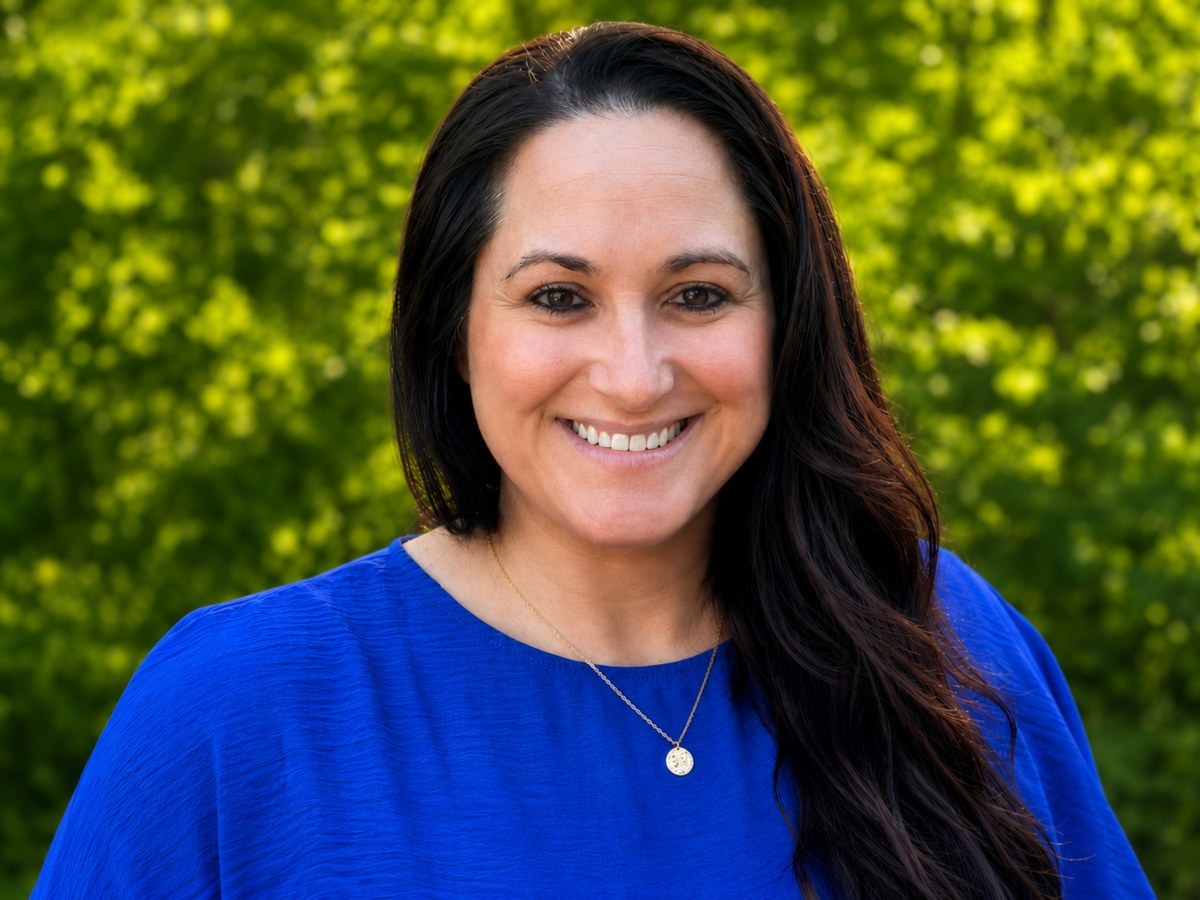
Hi, I'm Hannah Chase
I believe meaningful change happens through action. My role is to help clients face fears, reduce avoidance, and build confidence through consistent exposure work.
I've been an exposure coach for years, working on exactly this: the practice that happens outside the appointment. I've seen firsthand that understanding your anxiety is one thing, and that lasting progress is built in the everyday moments when someone chooses to face a fear instead of avoiding it.
I also know this work from the inside. For years, health anxiety ran my life. I chased reassurance from doctors, and there were nights I sat in a hospital parking lot, certain something was seriously wrong, waiting to feel sure enough to drive home. It was debilitating, and it demanded a certainty that life can't give.
Exposure coaching is what changed that. Anxiety never fully goes away, and it doesn't need to. Exposure by exposure, my tolerance for sitting with uncertainty grew, and as it grew, my anxiety lost its grip. Today, anxiety doesn't decide what I do. I do. It no longer stands between me and the things and people I love.
That's why I created New Day Exposure Coaching.
Through exposure coaching, accountability, and real-life practice, I help clients keep making progress week after week, building confidence, reducing avoidance, and making exposure part of everyday life.
“I see you. I believe in you. And you don't have to face fear alone.”
- Activating action
- Building motivation
- Accountability
- Responding to avoidance
- Collaborating with therapists
- Making exposure part of life
In their words
One small forward move at a time
"The biggest gift Hannah has given me isn't that my anxiety has disappeared. It's that my life is no longer ruled by it."
"Working with Hannah has truly changed my life.
When I first started, my emetophobia and OCD controlled almost every part of my day. I stayed up at night listening for my kids, terrified one of them would wake up sick. Everyday activities like parks, restaurants, school, and playdates felt overwhelming, and my fears even caused my kids to miss out on birthday parties and other experiences.
Through exposure coaching and Hannah's incredible support, I've made progress I never thought was possible. I still have work to do, but the difference is incredible. I sleep through the night now. I can relax. We go to public places without the constant panic. We even took a family trip to Disney last spring, something I never would have imagined before.
The biggest gift Hannah has given me isn't that my anxiety has disappeared. It's that my life is no longer ruled by it. I'm able to enjoy my family instead of constantly living in fear. I'm no longer holding my children or myself back the way I once did, and I'm proud that I'm doing the work to break this cycle instead of passing my anxieties on to them.
If you're struggling with anxiety, OCD, phobias, or you feel like fear is controlling your life, I can't recommend Hannah enough. She is compassionate, supportive, knowledgeable, and truly changes lives. I'm so grateful I found her."
"Before working with Hannah, anxiety had become a major part of my life. I spent most of my time at home and avoided many of the things I wanted to do. Hannah helped me realize that I didn't have to wait until I felt ready to take action. Instead, I learned to take one small 'forward move' at a time, even when I felt anxious.
Through her encouragement, accountability, and steady support, I gradually built the confidence to face things I had been avoiding. Today, I'm swimming again, participating in writing groups, spending more time with my husband, and living a fuller life than I thought was possible. Hannah helped me see that I could do hard things, even when I felt uncomfortable, and that has made a lasting difference in my life."
FAQ
Honest answers, up front
Why add coaching?
Because knowing what to do and doing it are different problems. Understanding your anxiety does not make the hard thing easier to walk into. Coaching is the part where you walk into it, with me there, and then keep going during the week when exposures actually happen. If you have a therapist, I follow their plan rather than writing my own.
How often do clients typically meet with you?
Once or twice a week for 30 minutes each, along with messaging support Monday to Friday. Every program also includes a 30-minute session with a parent or support person, which is expected for clients under 18.
Can I contact you between sessions?
Yes. Messaging support is part of the program, Monday–Friday, for motivation, a skills refresher, or help with an exposure in the moment.
What happens if I become very anxious during an exposure?
We'll lower the intensity so the exposure becomes approachable and something you're willing to do. You stay in control the whole way. We work at a pace you can take on, then build from there.
What will I actually learn?
Two things, mostly. How to tolerate uncertainty. Anxiety and OCD both run on the promise that if you could just be sure, you'd feel better, and chasing that certainty is what keeps them going. And how to do hard things while they still feel hard, rather than waiting to feel ready. Exposures are how you practice both. The specific fears change over time; those two skills come with you.
What if I'm unsure whether coaching is right for me?
That's exactly what the free consultation is for. We'll talk through your goals and whether exposure coaching fits. If I don't believe I'm the right fit, I'll tell you honestly.
Is this therapy?
No. Coaching is not therapy, and I don't diagnose or treat mental health conditions. It's structured practice and accountability. When you're also in treatment, it works alongside it rather than replacing it.
Do I need a therapist?
Not to reach out. Coaching runs alongside treatment rather than replacing it, so when you have a therapist I work inside their plan. If you don't have one, say so when we talk. Finding a therapist in Maine can take months, and that is not a reason to wait. I keep a list of clinicians in Maine and New Hampshire who are taking new people, and we'll work out together whether coaching makes sense in the meantime.
Do you work with parents?
For clients under 18, yes, and it matters. Exposure practice tends to stall when accommodation continues at home, so parents are part of the plan. Every program includes one 30-minute parent or support-person session, expected for clients under 18 and available to adult clients who want someone at home in the loop. I'll orient you to the approach, give you a Parent Guide, and check in regularly. Day-to-day session content stays between your teen and me, which is what makes honesty possible.
Do you collaborate with schools?
When it's helpful and you've given consent, yes. School avoidance is one of the most common things I work on, and progress comes faster when the school knows the plan. That might be a conversation with a counselor about what to expect on a hard morning, or making sure everyone is responding the same way when your teen is trying to get through the door.
Do you accept insurance?
No. Coaching is a private-pay service, and because it isn't a healthcare service I'm not able to provide superbills for reimbursement. If you're wondering about using an HSA or FSA card, please check with your plan administrator. Reach out for current pricing, it's covered in the free consultation.
What ages do you work with?
Ages 12 and up. For minors, a parent or guardian is involved in the consultation and consent process.
Do you work with all types of OCD?
I work with many presentations of OCD. If you're unsure whether exposure coaching is a good fit for your specific symptoms or goals, I'd be happy to discuss it during a consultation. If I don't believe I'm the right fit, I'll tell you honestly and help point you toward more appropriate support.
Do you offer crisis support?
No. Exposure coaching is not a crisis service and should not be used in place of emergency or mental health crisis care. If you are experiencing a mental health emergency or are concerned about your immediate safety, call 911, go to your nearest emergency department, call or text 988 (Suicide & Crisis Lifeline), or contact your local crisis services.
Are sessions virtual?
Primarily, yes, which is an advantage for exposure work, since we can practice in the real environments where anxiety shows up. There's limited local availability for select in-person exposure practices.
Get in touch
Start your New Day
Everything begins with a free phone or video call: no pressure, no commitment. The form below takes about a minute, and I'll write back within one business day with times that work. We'll talk through whether coaching is the right fit, and if it isn't, I'll tell you honestly.
Request a free consultationOr write to hannah@newday.coach
For therapists · For school counselors · PDF one-sheet
Not a crisis service. In crisis? Call 911, or call or text 988.